Skin cancer

Not all skin cancers are the same. The 3 most common types include basal cell carcinoma, sqaumous cell carcinoma, and melanoma. When dealing with skin cancer, the absolute first priority is your health and the complete removal of the disease. However, because skin cancers frequently occur in highly visible areas like the face, nose, ears, and neck, the resulting scar is a major concern. As plastic surgeons, we are experts in not only completely excising the skin cancer, but meticulously reconstructing the tissue left behind. Our goal is to ensure you are safely cancer-free while preserving your natural appearance and minimizing visible scarring.

/02

Before & After Photos

Patient 01 Before & After Patient 01

Angle 1

Description

Angle 2

Description

Angle 3

Description

Patient Number

#142039

Description

Timeline Surgeon
Patient 02 Before & After Patient 02

Angle 1

Description

Angle 2

Description

Angle 3

Description

Patient Number

#142040

Description

Timeline Surgeon
Patient 03 Before & After Patient 03

Angle 1

Description

Angle 2

Description

Angle 3

Description

Patient Number

#142041

Description

Timeline Surgeon
Patient 04 Before & After Patient 04

Angle 1

Description

Angle 2

Description

Angle 3

Description

Patient Number

#142042

Description

Timeline Surgeon

/03

What to expect

Pre-op

Before Surgery

Click here to learn more about what to expect during consultation.

Procedure

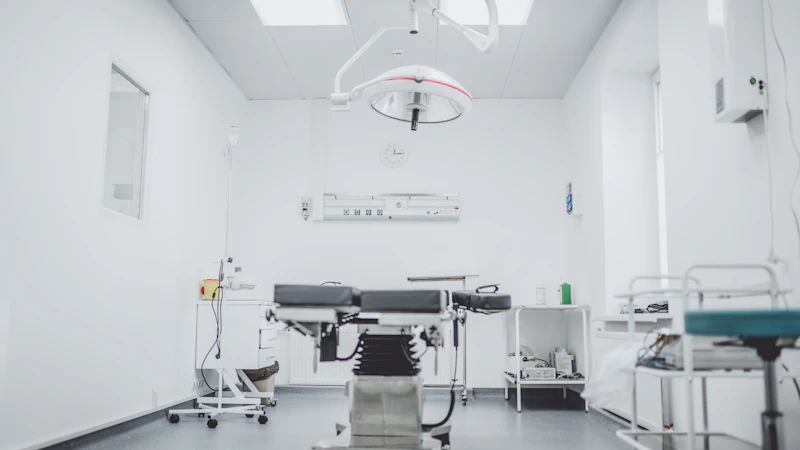
On the Day of Surgery

Click here to learn what to expect on the day of your operation.

Post-op

After Surgery

Click here to learn what to expect with your recovery and long-term results.

/ 05 Support

Frequently Asked Questions.

Can't find what you're looking for? Our support team is here to help you get the most out of Elevate Plastic Surgery.

Support Hours

Monday - Friday: 8AM - 8PM EST

Weekends: 10AM - 6PM EST

Are you going to remove the cancer, or does another doctor do that?

For many skin cancers on the body or limbs, Dr. Mahoney and Dr. Yeung will personally excise (remove) the cancer along with a safety margin of healthy tissue, and seamlessly reconstruct the area in a single visit. For complex or high-risk cancers on the face, nose, or ears, you may be referred to a Mohs Dermatologist, who removes the cancer layer by layer until you are 100% cancer-free and then reconstructs thereafter.

What is the difference between a "flap" and a "skin graft"?

If a large amount of tissue must be removed to clear the cancer, we cannot simply pull the wound edges together. We must reconstruct the area using either a local flap or skin graft. A local flap uses adjacent, healthy skin and slides or rotates it over the defect, whereas a skin graft involves taking a thin patch of skin from a hidden donor site (like behind the ear or the collarbone) and use it to "patch" the defect.

Will I be put to sleep for the surgery?

Almost never. Skin cancer excision and reconstruction are safely, comfortably, and routinely performed under local anesthesia. We will carefully numb the area so you feel absolutely no pain—only slight pressure. You will be awake and relaxed, meaning you avoid the grogginess of general anesthesia and can go home immediately after the procedure.

How long does it take to get the pathology results back?

If we perform a standard excision, the tissue is sent to a specialized laboratory to be examined under a microscope. It typically takes 3-4 weeks for the final pathology report to confirm that the "margins are clear" (meaning 100% of the cancer was successfully removed).

What happens if the cancer comes back?

If the initial pathology report shows that microscopic cancer cells reach the very edge of the removed tissue (a "positive margin"), we will simply remove a little bit more tissue to ensure your absolute safety. Once clear margins are achieved, true recurrences in the exact same surgical spot are quite rare, though you will need regular, lifelong skin checks with your dermatologist to monitor for new spots.

Procedures